
Uncle Gilbert Wanganeen's story
How a personal experience made Gilbert a passionate advocate for lung screening.
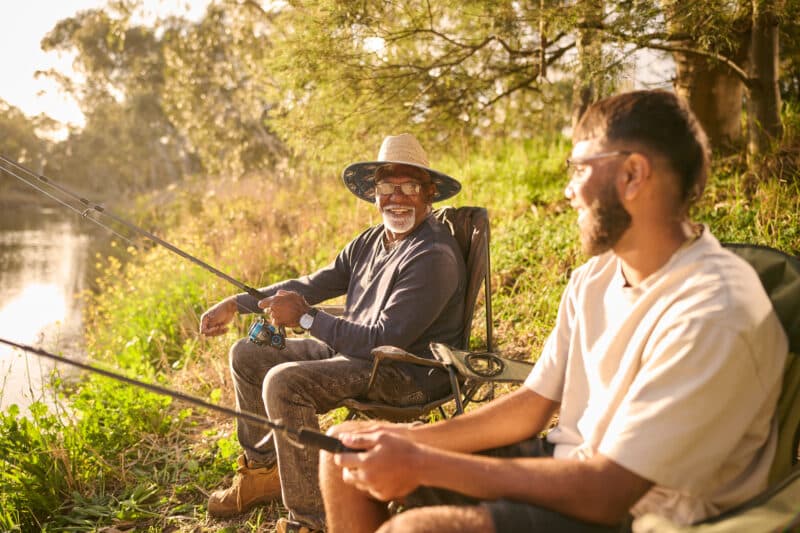
Lung cancer affects many Aboriginal and Torres Strait Islander Peoples, but the National Lung Cancer Screening Program is here to help people find lung cancer early, when it’s easier to treat.
Uncle Gilbert, a proud Kokatha and Nurrunga father of 4 and grandfather of 11 beautiful grandchildren has first-hand experience of the impact of lung cancer on his family. Now he is sharing his story and joining the ‘It's Good to Know’ campaign to support mob to look after their health by accessing a free lung screening.
“My family and I’s experience with lung cancer was with my beautiful wife Lee, who had smoked for a long time.
“We first noticed her aches and pains and thought it was just soreness or arthritis. We never imagined it could be something more serious.
“By the time we had the tests done, it was already cancer. If we had known more or had the right information earlier, maybe it could have been caught in time, and something could have been done. But we didn’t know.”
Lee’s story reflects a reality for too many families - lung cancer is often found after symptoms appear, but with the free National Lung Cancer Screening Program, we now have the chance to find lung cancer earlier, before symptoms start and when the disease is in a more treatable stage.
Lung screening uses a low-dose CT scan to take images of your lungs to look for early signs of lung cancer. It’s quick, painless and easy to do. You may be eligible for a free lung scan if you:
- are 50 to 70 years old, and
- currently smoke or have quit in the last 10 years, and
- don’t have any symptoms of lung cancer (e.g. coughing up blood or chest pain), and
- have a smoking history of 30 pack-years or more (your doctor or health worker can help you determine this).
Uncle Gilbert’s message to mob is simple - don’t delay, get screened.
“Be serious about this, because it’s taking our people.
Screening can save lives. Years ago, this kind of early detection wasn’t available for us, but now it is and that’s a good thing.
Don’t wait until it’s too late. Looking after your health is not just about you, it’s about your family too. By getting screened, you’re protecting your mob and setting an example for the next generation.”
Still not sure? Have a yarn with your local Aboriginal Medical Service, doctor or health worker to see if you’re eligible, and to ask any questions about the National Lung Cancer Screening Program.
To find out more, go to www.lungcancerscreen.org.au/en because it’s good to know.
- Screening
- First Nations